Optimization
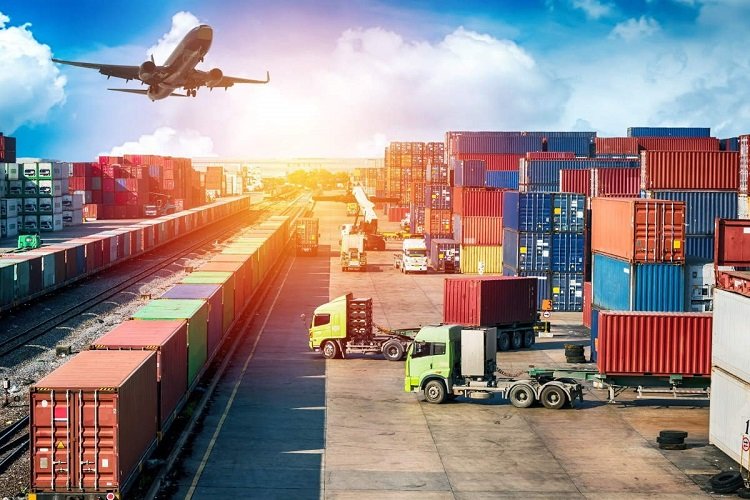
New Logistics in the EU
New logistics in the EU represents a large-scale transformation of supply chains driven by geopolitical restrictions, the shift toward local warehouses following the abolition of duty-free imports for e-commerce, and the implementation of a multi-billion-dollar military mobility plan.
In an environment of global restrictions on international trade, payments, and logistics, this is a complex challenge that not every logistics company can successfully address for its clients.
Following the introduction of bans on the transportation of sanctioned goods, international routes have been restructured. Transport flows have been redirected, and additional inspections along with other restrictions have been introduced. In response to the tightening of sanctions controls, professional operators are building multi-stage supply chains that pass through third countries.
Poland plays an important role in trade routes connecting Western and Central Europe with the CIS countries, the EAEU, and Central Asia, including the One Belt One Road (OBOR) initiative from China to Europe.
Currently, particularly between 2014 and 2026, the fastest and most convenient trade route from Western Europe to Central Asia runs through Belarus. Goods and equipment from various countries can also be delivered via this route.
At present, the cost of logistics services for exporting Polish goods and equipment — as well as goods from other European countries — to Central Asia can reach up to 30% of the final delivered price.
SHARK LOGISTICS SP. Z O.O. organizes end-to-end supply chains from suppliers in the EU, the USA, and other countries to end customers in Central Asia — Kazakhstan, Kyrgyzstan, Uzbekistan, Tajikistan, and Turkmenistan — and in the opposite direction.
Optimization of International Logistics
If you would like to discuss the practical aspects of this topic, please send us a request describing your specific challenges, and we will help you resolve your international logistics issues.
Optimizing international logistics under sanctions and restrictions requires a fundamental restructuring of supply chains. The key adaptation tools include the transition to multimodal transportation through friendly countries, the implementation of logistics IT solutions for flexible route replanning, and the diversification of routes to minimize the risk of delays.
We support the development of logistics cooperation between Poland (and other EU countries) and the countries of Central Asia — Kazakhstan, Kyrgyzstan, Tajikistan, Turkmenistan, and Uzbekistan. These landlocked countries currently rely primarily on routes passing through Belarus, using mainly rail and road transport for trade with the EU.
We deliver effective logistics solutions, help reduce delivery costs, and organize and coordinate the transportation of goods directly from the manufacturer/supplier to the end customer.
SCM (Supply Chain Management) from different countries enables end-to-end management of all stages of the supply process — from raw material procurement to final delivery to the consumer — including production, warehousing, distribution, and after-sales service.
Your request
If you are considering options for cargo delivery from the EU to Belarus or the countries of Central Asia (Kazakhstan, Kyrgyzstan, Tajikistan, Turkmenistan, and Uzbekistan), please fill in the fields of the feedback form below. Our employees will contact you as soon as possible and offer suitable solutions.